

Blog

%20(1).avif)
.avif)

Shared Business Numbers for Financial Advisors: Compliance Questions to Address
The article discusses these compliance questions and explains how your firm can help you resolve them with iPlum's Shared Line.
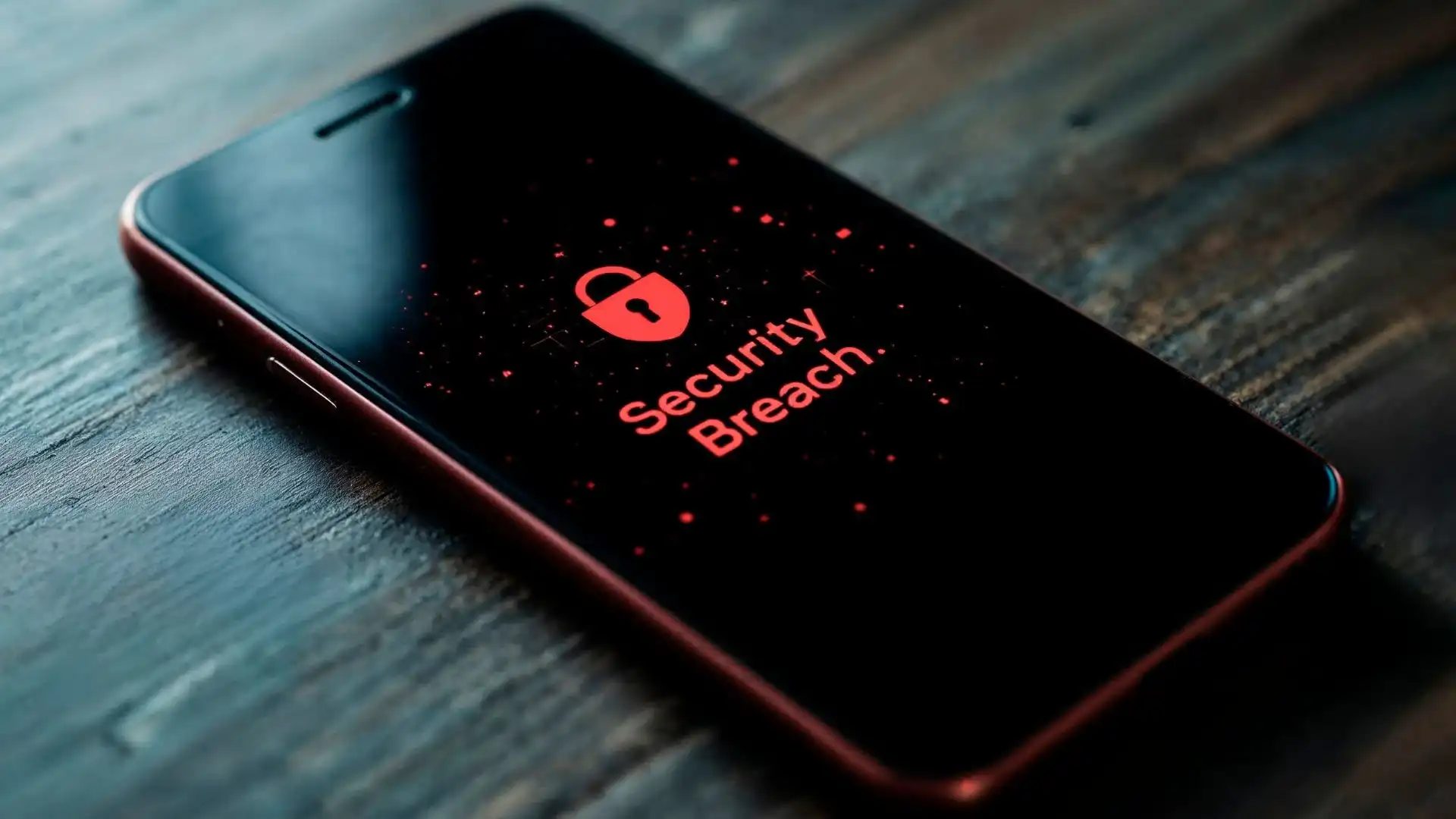
Lock-Screen Text Previews and Attorney-Client Confidentiality
This article delves into how to prevent sensitive texts from appearing on locked screens, and how iPlum’s secure texting can form part of your firm’s setup for managing confidential client communications.

Chain of Custody for Recorded Client Calls
This article zeroes in on the chain of custody for recorded client calls. It also talks about how iPlum's phone system for lawyers can improve your firm's management of recorded client communications.

Legal Holds for Text Messages: What Law Firms Need to Preserve
In this article, we explain when that obligation begins, which text messages and related records to preserve, and how to put a legal hold into effect. We also discuss how iPlum's phone system for law firms can contribute to your client message preservation procedures.
You Texted the Wrong Patient: Is It a HIPAA Breach?
In this article, we discuss when a misdirected text constitutes a HIPAA breach, the actions your practice should take, applicable notification requirements, as well as how you can incorporate iPlum's secure texting into your patient communication procedures.

Texting Caregivers About Patients: What HIPAA Allows
The article discusses the limitations of standard SMS for doctors, procedures for securely texting lab results, and how services such as iPlum can enhance your practice's patient communication process.

Can Doctors Send Lab Results by Text Message?
The article discusses the limitations of standard SMS for doctors, procedures for securely texting lab results, and how services such as iPlum can enhance your practice's patient communication process.

Lost or Stolen Work Phone: What HIPAA Requires Healthcare Practices to Do
The article explains how to respond, assess notification requirements, and document your findings. It also examines how a HIPAA-compliant phone service, such as iPlum, can form part of your preparations for device loss and allow authorized colleagues to continue responding to patient communication.

Text Message eDiscovery: How Law Firms Should Preserve Mobile Conversations
The article discusses when preservation obligations arise, which information attorneys should retain, and how to prepare documents for production. It also explains how iPlum's business text archiving can form part of your firm's communication retention procedures.

How to Preserve Client Text Messages for Litigation
The following sections explain how to preserve client text messages for litigation, organize them for retrieval, and protect them against deletion. They also discuss how to integrate iPlum into your firm's setup to retain and access client correspondence. We’ll start with how to preserve client messages for litigation.

SEC Recordkeeping Requirements: What Financial Professionals Should Look for in a Phone App
Below, we discuss those capabilities and the considerations that should inform your firm’s purchasing decision.

How to Achieve BYOD Compliance for Financial Services
A Bring Your Own Device (BYOD) policy can help establish how advisors conduct business on personal phones and how your firm retains and supervises those communications. Below, we explain how to put those requirements into practice.