


%20(1).avif)
.avif)

Introduction
In a world where traditional work structures are rapidly evolving, flexible work arrangements have emerged as a cornerstone of modern employment. From remote work to hybrid models, these options empower employees to tailor their work environments to suit their individual needs. This significant shift enhances job satisfaction and productivity.
As organizations navigate this new landscape, it is crucial to understand the various types of flexible work, the legal implications, and the technological tools needed to support such arrangements. What does this mean for your organization? This article delves into the multifaceted benefits of flexible work, explores best practices for implementation, and discusses the future trends that will shape the workplace of tomorrow.
Understanding Flexible Work: Definitions and Importance
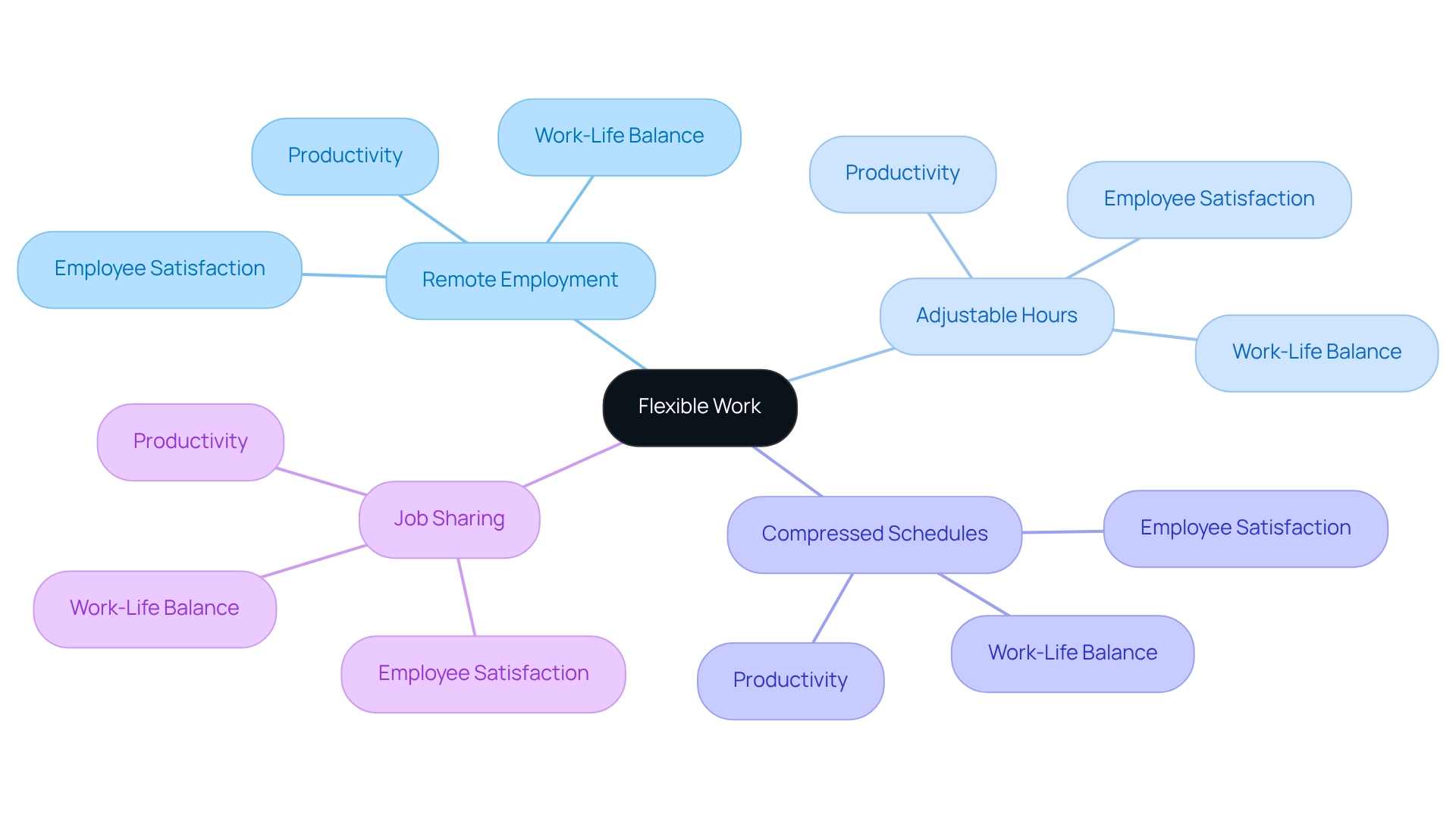
Flexible arrangements encompass a variety of options that empower individuals to control when, where, and how they engage in tasks. These choices include:
- remote employment
- adjustable hours
- compressed schedules
- job sharing
The importance of adaptable roles lies in their ability to enhance employee satisfaction, improve work-life balance, and boost productivity.
In today's rapidly changing business environment, organizations that embrace a flexible workforce can attract and retain exceptional talent. They can respond effectively to employee needs and foster a more engaged workforce. Understanding these definitions is crucial for leaders aiming to implement successful flexible employment strategies.
Exploring Types of Flexible Work Arrangements
Organizations can adopt several types of flexible work arrangements to meet the evolving needs of their workforce. These arrangements include:
- Remote Work: Employees perform their duties from locations outside the traditional office, often from home.
- Hybrid Arrangement: A blend of in-office and remote tasks, enabling individuals to select their working environment.
- Flextime: Employees have the freedom to choose their start and end times, as long as they complete their required hours.
- Compressed Workweeks: Employees put in longer hours across fewer days, such as four 10-hour days instead of five 8-hour days.
- Job Sharing: Two or more individuals share the responsibilities of a single full-time position.
Understanding these arrangements is crucial. It allows organizations to implement adaptable policies that not only support a flexible workforce but also align with their operational objectives and the preferences of their staff.

Navigating Legal Requirements for Flexible Work
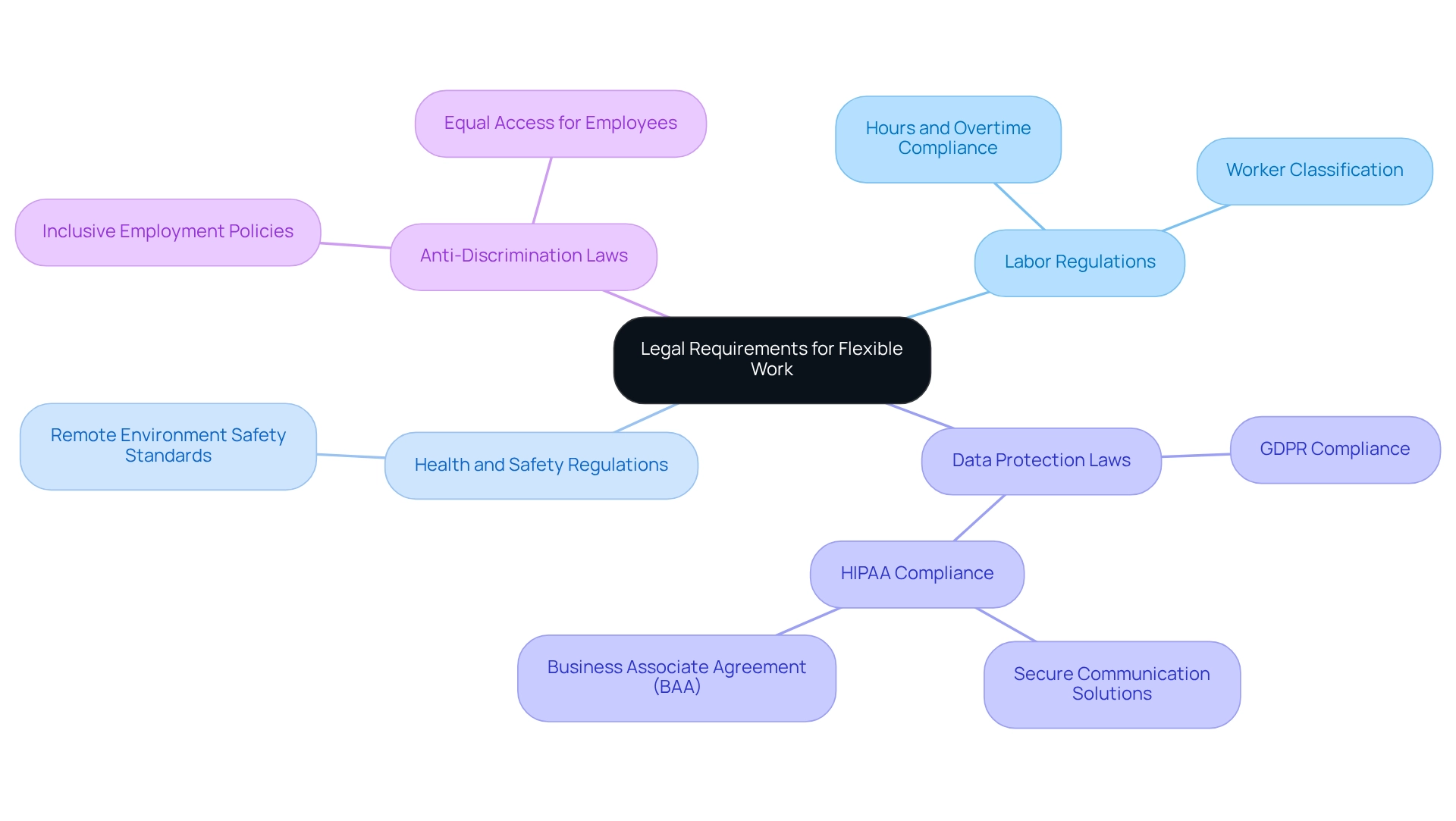
Organizations must be acutely aware of various legal requirements when implementing a flexible workforce. Key considerations include:
-
Labor Regulations: Adherence to federal and state labor regulations concerning hours, overtime, and worker classification is essential.
-
Health and Safety Regulations: Employers must ensure that remote environments meet safety standards.
-
Data Protection Laws: Organizations must comply with regulations such as GDPR or HIPAA, particularly when handling sensitive information remotely. Did you know that data breaches can lead to significant regulatory risks? Utilizing iPlum's HIPAA-compliant communication solutions—including virtual phone systems, secure texting, dedicated lines, and fax services—can significantly enhance compliance efforts. iPlum ensures that healthcare professionals can securely communicate with clients while adhering to HIPAA regulations, thus safeguarding sensitive patient information. Furthermore, iPlum offers features such as the ability to set up a phone tree and provides a Business Associate Agreement (BAA) to further support compliance. For pricing details on iPlum's HIPAA-compliant solutions, please check here.
-
Anti-Discrimination Laws: A flexible workforce should be supported by employment policies that are inclusive and non-discriminatory, ensuring equal access for all employees. By comprehending these legal structures and utilizing iPlum's solutions, entities can establish adaptable policies that are both effective and compliant.
The Business Case for Flexible Work: Benefits and Opportunities
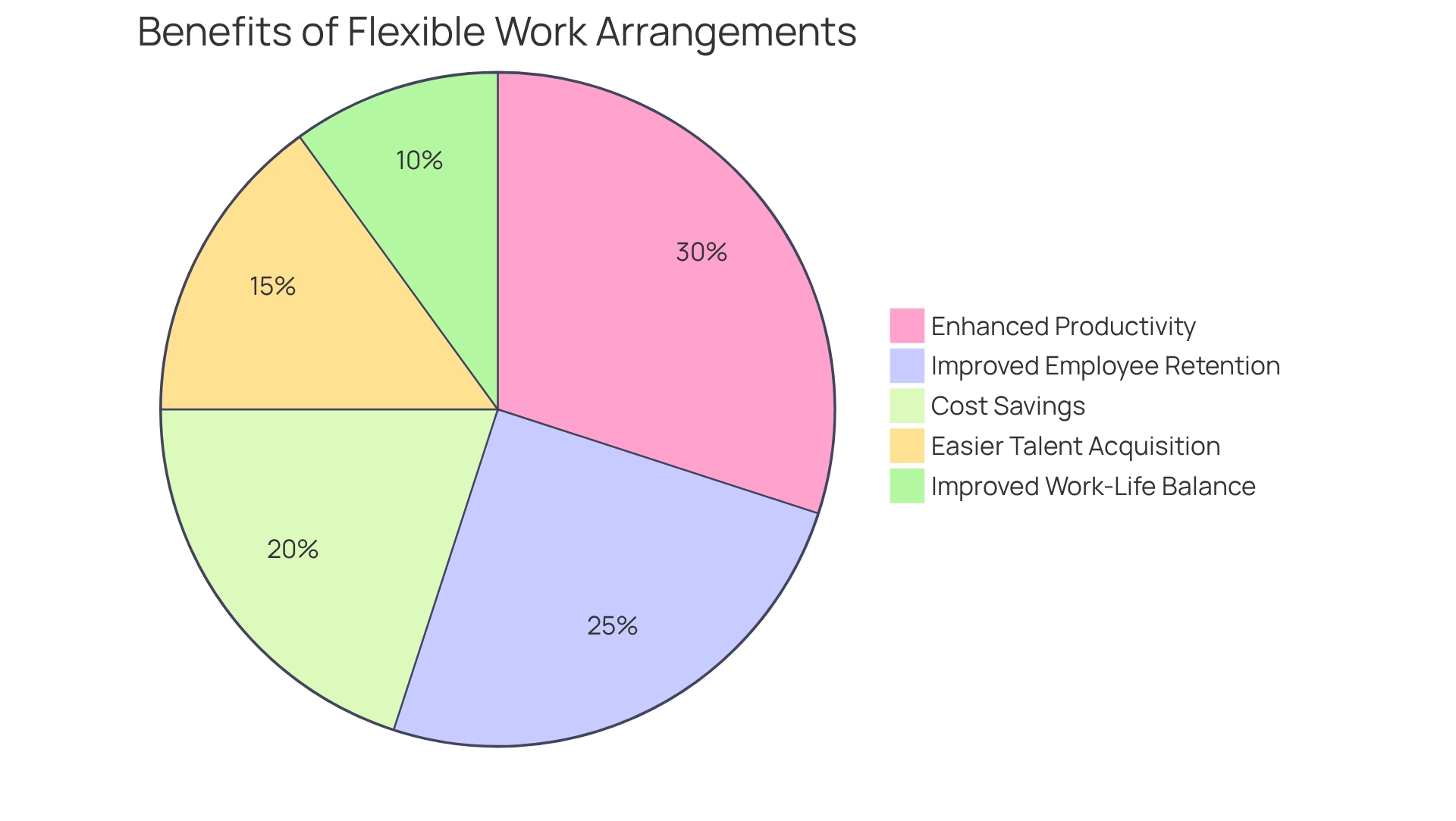
Implementing flexible work arrangements offers numerous benefits for organizations. First, enhanced productivity is often observed; employees excel when they have control over their environment and hours. Additionally, improved employee retention is significant—flexible employment options lead to higher job satisfaction, which decreases turnover rates. Furthermore, organizations can achieve cost savings by reducing overhead costs associated with maintaining physical office spaces. In addition, drawing talent becomes easier; providing adaptable job arrangements enhances an organization's attractiveness to prospective staff, especially in competitive job markets. Lastly, improved work-life balance is crucial; employees benefit from greater flexibility, resulting in reduced stress and better overall well-being. These advantages establish a compelling business case for adopting a flexible workforce through flexible employment policies.
Enhancing Employee Well-Being Through Flexibility
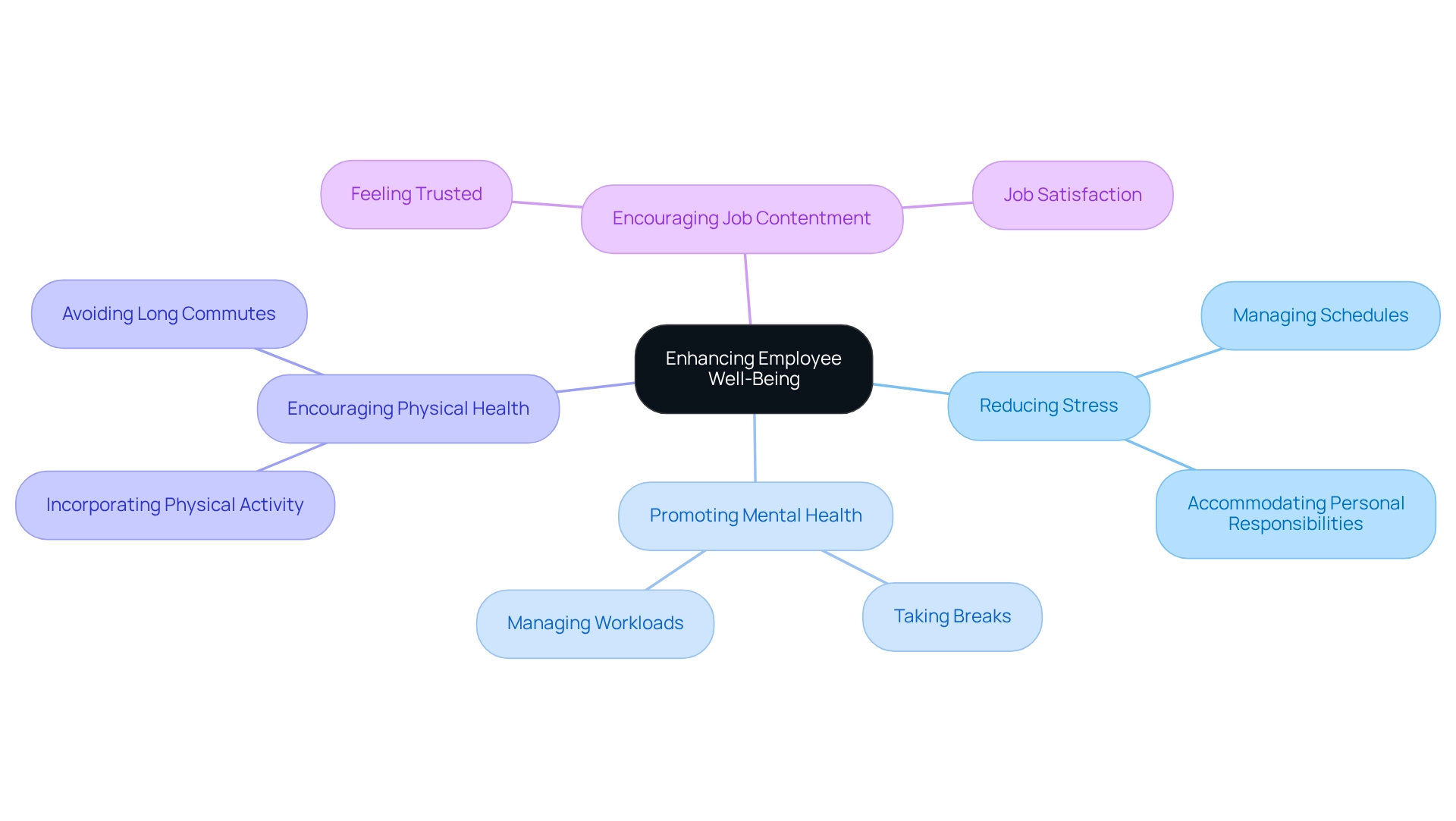
Flexible work arrangements can significantly enhance employee well-being. They achieve this by addressing key areas:
-
Reducing Stress: Employees can manage their schedules to accommodate personal responsibilities, leading to lower stress levels. This flexibility is crucial in today’s fast-paced environment.
-
Promoting Mental Health: Flexibility enables workers to take breaks and manage their workloads, contributing to improved mental health outcomes. A healthier workforce is a more productive workforce.
-
Encouraging Physical Health: Employees can incorporate physical activity into their routines, such as exercising during breaks or avoiding long commutes. This not only benefits individual health but also reduces healthcare costs for employers.
-
Encouraging Job Contentment: When staff members feel trusted to handle their tasks, they are more likely to be satisfied with their positions. Job satisfaction directly correlates with employee retention and performance.
By emphasizing staff well-being through adaptable arrangements, companies can cultivate a more engaged and productive workforce. This strategic approach not only benefits employees but also enhances organizational success.
Implementing Effective Flexible Work Policies: Best Practices
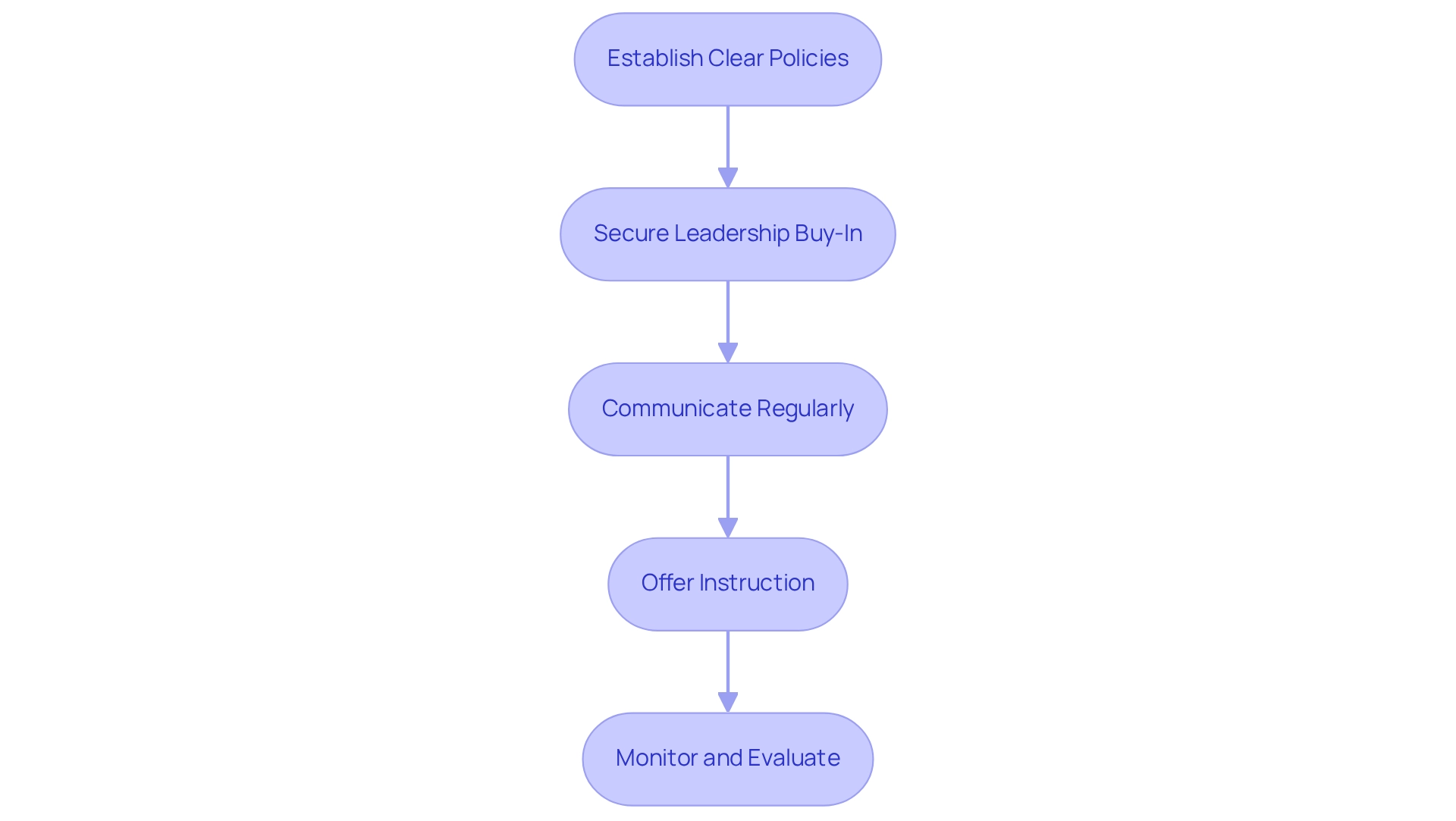
To implement effective flexible work policies, organizations must consider several best practices:
- Establish Clear Policies: Formulate detailed directives that specify the types of adaptable arrangements available and the standards for staff.
- Secure Leadership Buy-In: Ensure that leadership supports flexible employment initiatives to foster a culture of trust and accountability.
- Communicate Regularly: Maintain open channels of communication to address any concerns and gather feedback from staff.
- Offer Instruction: Equip managers with the skills necessary to oversee remote teams efficiently and assist staff in their flexible arrangements.
- Monitor and Evaluate: Regularly assess the effectiveness of flexible arrangements and make adjustments based on staff input and organizational requirements.
By adhering to these best practices, organizations can successfully establish policies that create a flexible workforce. This approach enhances productivity and boosts staff satisfaction.
Leveraging Technology to Support a Flexible Workforce
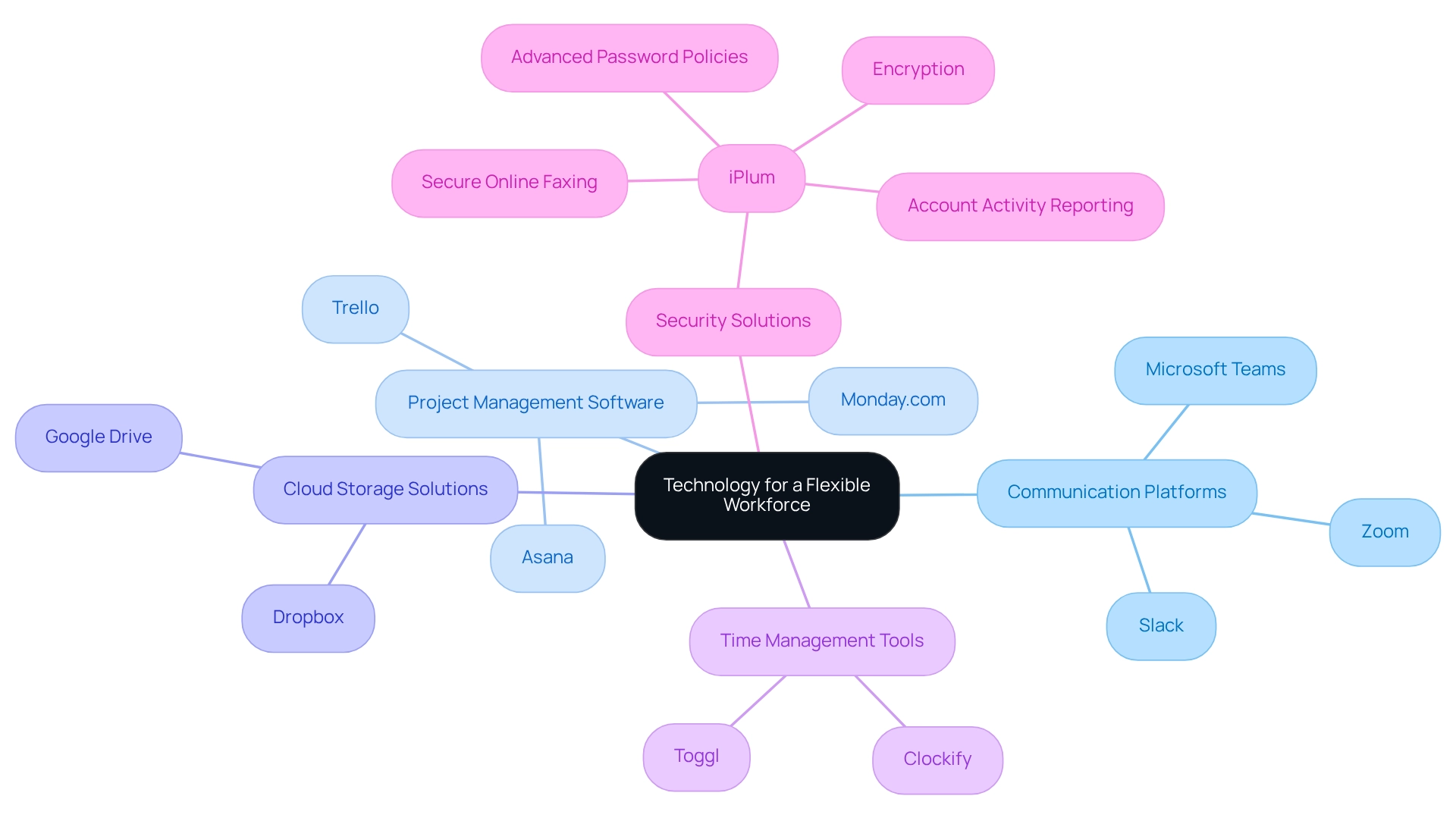
Technology plays a crucial role in supporting a flexible workforce through adaptable employment arrangements. Key tools include:
- Communication Platforms: Tools like Slack, Microsoft Teams, and Zoom facilitate real-time communication and collaboration among remote teams.
However, secure communication is paramount, especially in industries like healthcare. Data breaches can lead to severe regulatory risks. iPlum offers a robust solution with its separate second line for business calls, allowing users to port their existing numbers while ensuring HIPAA compliance. Additionally, iPlum provides a professional phone tree and a business phonebook CRM that separates personal contacts from professional ones, enhancing operational efficiency.
-
Project Management Software: Applications such as Trello, Asana, and Monday.com help teams track progress and manage tasks effectively.
-
Cloud Storage Solutions: Services like Google Drive and Dropbox allow users to access files from any location, ensuring seamless collaboration.
-
Time Management Tools: Tools such as Clockify and Toggl assist employees in monitoring their hours and organizing their schedules.
-
Security Solutions: Implementing secure communication channels and data protection measures is essential for safeguarding sensitive information. iPlum excels in this area with features like encryption, advanced password policies, and secure online faxing, making it an ideal choice for the financial and healthcare industries.
Furthermore, iPlum's account activity reporting provides insights into usage patterns, further enhancing security and efficiency. By utilizing these technologies, including iPlum's comprehensive communication solutions, organizations can create a supportive environment that fosters a flexible workforce, ultimately enhancing productivity and collaboration.
Overcoming Challenges in Managing a Flexible Workforce
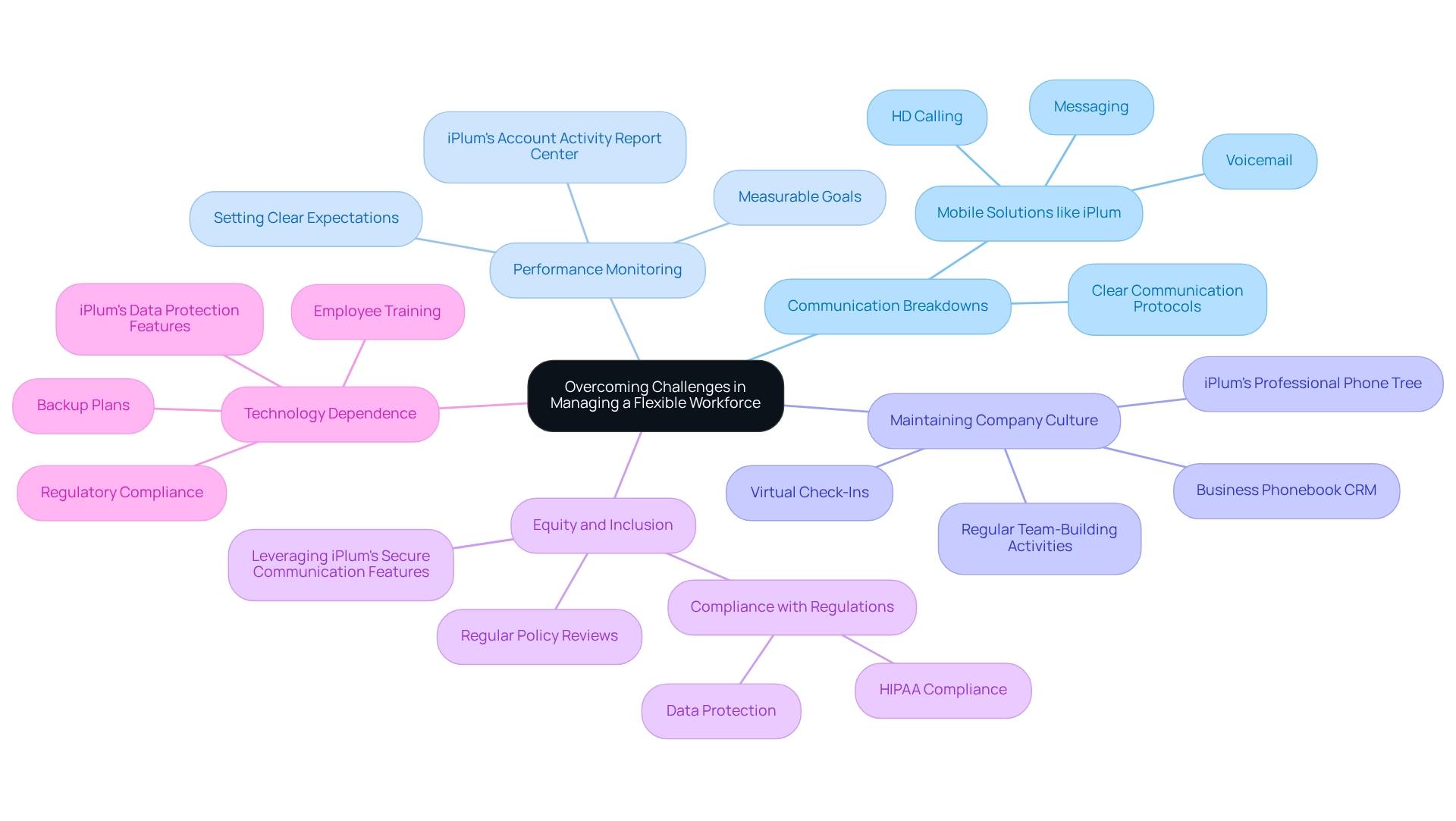
Managing a flexible workforce presents several challenges that organizations must address.
-
Communication Breakdowns arise when different schedules lead to miscommunication. Establishing clear communication protocols, supported by comprehensive mobile solutions like iPlum, can effectively mitigate this issue. With features such as HD calling, messaging, and voicemail, iPlum ensures seamless communication across teams, regardless of location.
-
Performance Monitoring is another challenge in a dynamic environment. Evaluating staff performance can be difficult, but setting clear expectations and measurable goals can help. Utilizing iPlum's account activity report center provides valuable insights into team performance and engagement.
-
Maintaining Company Culture is critical as remote employment can lead to feelings of isolation. Regular team-building activities and virtual check-ins foster a sense of belonging, enhanced by iPlum's professional phone tree, which facilitates organized communication and easy access to team members. Additionally, the business phonebook CRM helps manage contacts efficiently.
-
Equity and Inclusion are essential for ensuring all staff members have equal access to adaptable job options. Organizations should regularly review their policies to promote inclusivity, leveraging iPlum's secure communication features to ensure compliance with regulations, particularly in sensitive sectors like healthcare, where HIPAA compliance and data protection are critical.
-
Technology Dependence can create challenges if systems fail. Organizations must have backup plans and provide training to ensure employees can adapt. iPlum's robust features, including data protection and regulatory compliance, help mitigate these risks. By proactively tackling these challenges with the appropriate tools, such as iPlum, companies can establish a more efficient and harmonious adaptable environment.
The Future of Flexible Work: Trends and Predictions
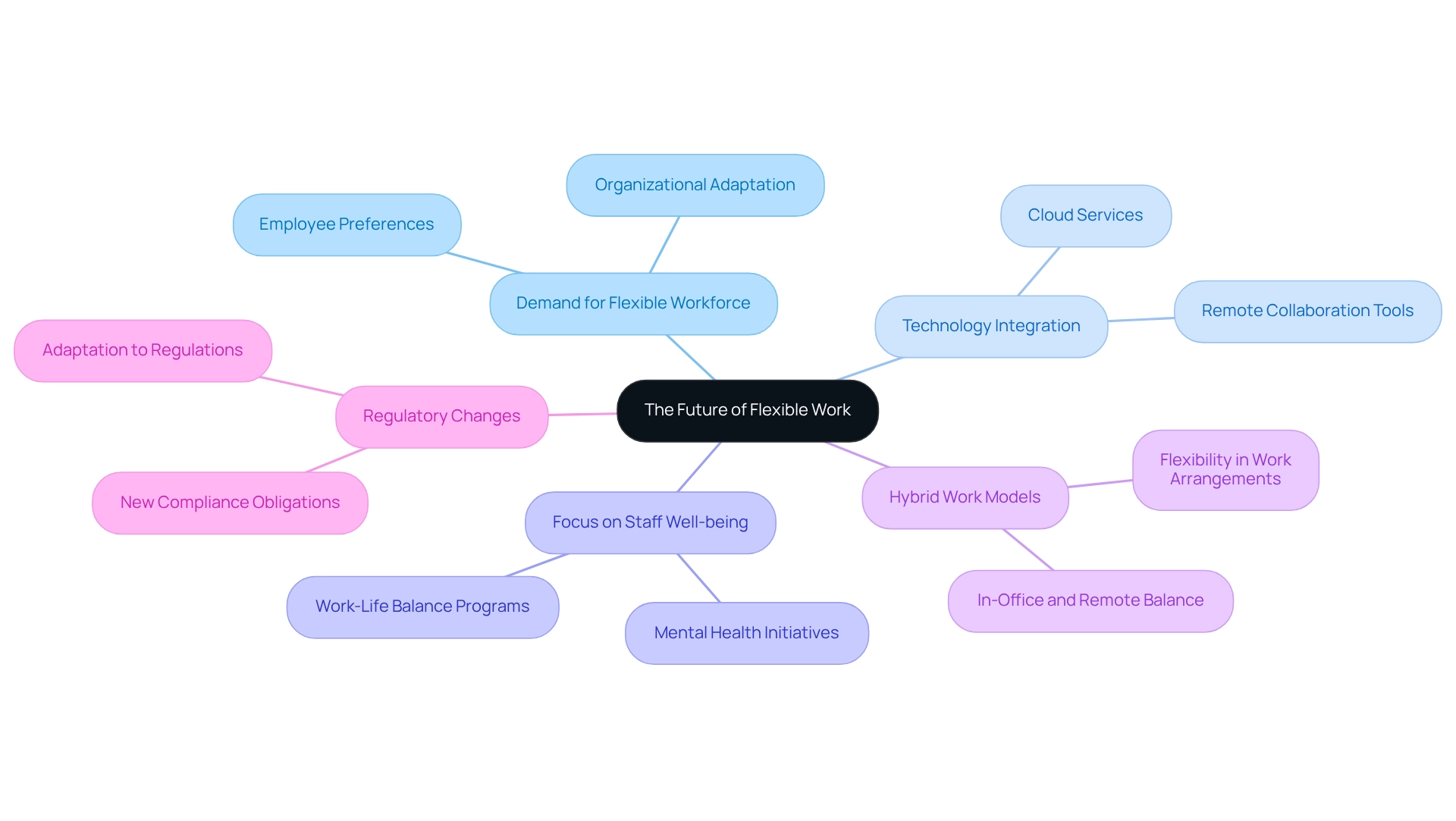
The future of flexible work is shaped by several key trends:
- Increased demand for a flexible workforce is evident, as employees increasingly seek flexible employment options. This shift makes it essential for organizations to adapt accordingly.
- Furthermore, technology integration plays a crucial role; advancements in technology will continue to enhance remote task capabilities, enabling more seamless collaboration.
- Additionally, a focus on staff well-being is becoming paramount. Organizations are prioritizing mental health and well-being, recognizing the critical importance of work-life balance.
- In addition, hybrid work models are likely to become the standard, merging in-office and remote arrangements to address diverse staff needs.
- Conversely, regulatory changes are on the horizon. As adaptable employment arrangements become more prevalent, companies may encounter new regulations and compliance obligations.
By staying informed about these trends, organizations can proactively shape their flexible workforce strategies. This proactive approach will ensure they remain competitive and responsive to employee needs.
Conclusion
Flexible work arrangements are revolutionizing the modern workplace, delivering substantial benefits for both employees and organizations. By comprehending the various types of flexible work—such as remote work, hybrid models, and flextime—organizations can formulate policies that enhance employee satisfaction and productivity. Legal considerations and compliance with regulations are crucial in effectively implementing these arrangements, safeguarding both the organization and its employees.
The advantages of flexible work extend beyond mere employee comfort; they encompass increased productivity, improved retention rates, and significant cost savings for organizations. Prioritizing employee well-being through flexibility not only alleviates stress and promotes mental health but also cultivates a more engaged and loyal workforce. To harness the full potential of flexible work, implementing best practices, such as clear policies and regular communication, is essential.
As technology continues to evolve, it will further bolster flexible work environments, enhancing collaboration and efficiency. However, challenges like communication breakdowns and performance monitoring must be proactively addressed. With a clear understanding of trends and predictions shaping the future of work, organizations can adapt their strategies to meet evolving employee needs while maintaining a competitive edge.
Embracing flexible work is not merely a trend; it signifies a fundamental shift in organizational operations. By investing in flexible arrangements, organizations can foster a more adaptable, satisfied, and productive workforce, paving the way for future success.
Frequently Asked Questions
What are flexible work arrangements?
Flexible work arrangements are options that allow individuals to control when, where, and how they engage in tasks. They include remote employment, adjustable hours, compressed schedules, and job sharing.
Why are adaptable roles important for organizations?
Adaptable roles enhance employee satisfaction, improve work-life balance, and boost productivity. Organizations that embrace flexibility can attract and retain talent and respond effectively to employee needs.
What types of flexible work arrangements can organizations adopt?
Organizations can adopt several types of flexible work arrangements, including: 1. Remote Work: Employees work from locations outside the traditional office. 2. Hybrid Arrangement: A mix of in-office and remote tasks. 3. Flextime: Employees choose their start and end times, as long as they complete their required hours. 4. Compressed Workweeks: Employees work longer hours over fewer days. 5. Job Sharing: Two or more individuals share the responsibilities of a single full-time position.
What legal requirements must organizations consider when implementing flexible work arrangements?
Organizations must consider several legal requirements, including: 1. Labor Regulations: Compliance with federal and state labor laws regarding hours, overtime, and worker classification. 2. Health and Safety Regulations: Ensuring remote work environments meet safety standards. 3. Data Protection Laws: Compliance with regulations like GDPR or HIPAA, especially when handling sensitive information remotely. 4. Anti-Discrimination Laws: Employment policies must be inclusive and non-discriminatory to ensure equal access for all employees.

