


%20(1).avif)
.avif)
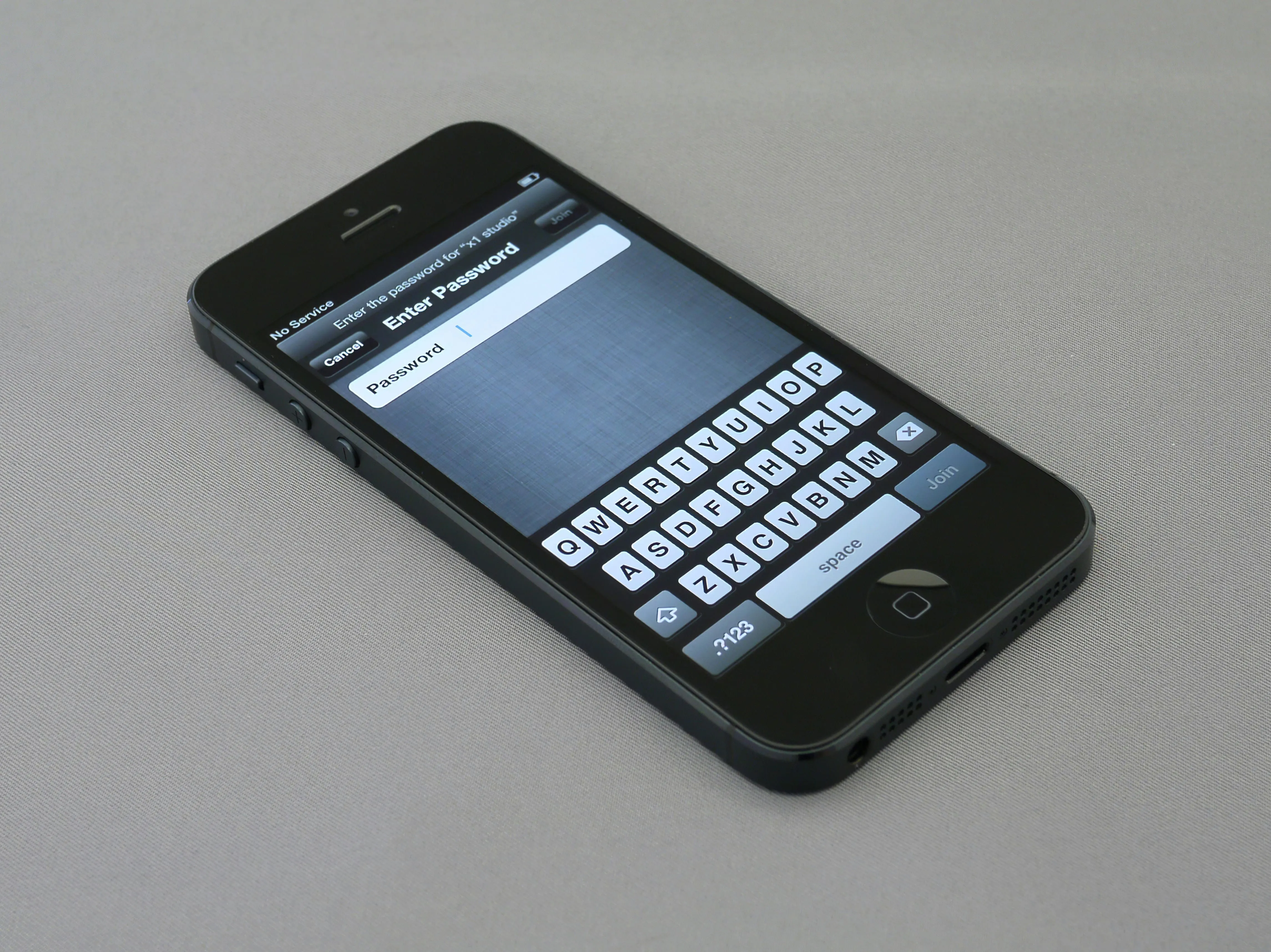
Most attorneys send clients text messages from the same device they use for family chats and online banking.
Although attorney-client communications are generally privileged, that protection is not automatic or self-executing.
If client texts mix with personal data, pass through unsecured apps, or lack proper controls, defending privilege during discovery becomes more complicated.
In this article, we’ll talk about texting for lawyers and what you should do before sending your client again.
More importantly, we’ll introduce you to iPlum’s secure communication solution for lawyers and why you should consider using it for client texting.
But first.
Table of Contents
1. Why is texting a staple in legal practice?
2. What are the hidden risks of using personal phones for client communication?
3. What does “secure texting” mean for attorneys?
4. What is the financial impact of using a poor texting solution for lawyers?
5. What essential features should attorneys look for in a secure texting solution?
6. Introducing iPlum’s enterprise-grade mobile texting and calling solution for lawyers
7. How can I transition to iPlum secure second line for lawyers?
8. Secure texting for attorneys—Frequently Asked Questions (FAQs)
9. Implement secure and compliant texting for attorneys with iPlum
Why is texting a staple in legal practice?
Your clients expect to reach you through the same channels they use in daily life. And, given the number of people who text daily, it’s surprising that texting has become a routine part of how lawyers communicate with clients, courts, and opposing counsel.
Below are reasons texting is now a staple in attorney-client communication.
- Clients want immediate updates, which texting conveniently allows
- Texting allows attorneys to quickly send scheduling changes and reminders
- Clients tend to respond to texts more consistently than to voicemail.
- The rise of hybrid and remote work has made texting part of day-to-day mobile communication.
But there are hidden aspects to all of this, which is what we’ll discuss next.
What are the hidden risks of using personal phones for client communication?
Texting clients from your personal smartphone for lawyers is harmless. Right? Wrong?
Sure, the setup is convenient, but that very device could be holding privileged strategy, private family conversations, financial apps, and firm communications.
Below are some notable risks that come with using a personal phone for client communication.
- Subpoena exposure of personal data: A subpoena for client communications may require device review or forensic collection, which can complicate privilege claims and expose personal data to scrutiny during the review process.
- Lack of compliant call recording consent: Personal phones don’t provide automated consent announcements required in all-party states.
- Missing audit trails and message archiving: Native messaging apps do not generate structured logs or secure archives for evidentiary use.
- Billing leakage from untracked communication: Attorneys lose revenue when call durations and text exchanges go unrecorded.
- Data breaches and unsecured storage: Consumer apps store data in environments not designed for legal confidentiality standards.
- Device loss or theft risks: A misplaced phone can expose sensitive client conversations if security controls remain weak.
- Employee departure and data ownership issues: Client communications remain on personal devices when associates leave a firm.
So, much as smartphones are convenient, they don’t hold up for regulated legal communication.
What does “secure texting” mean for attorneys?
There’s more to secure texting for lawyers than encrypted messages. Here’s what “secure texting” for an attorney actually means:
- End-to-end encryption: Protects message content from interception and prevents unauthorized third parties from reading client communications.
- Secure archiving and retention: Stores texts in a protected environment so attorneys can retrieve records during discovery or internal reviews.
- Audit trails and metadata: Documents timestamps, participants, and activity history to support evidentiary use in court.
- Consent-compliant call recording: Provides lawful recording tools that meet one-party and all-party state requirements.
- Separation of personal and professional data: Isolates firm communications from private device content to reduce subpoena exposure.
- Controlled access and authentication: Restricts who can access messages and recordings within the firm.
Next, we’ll talk about what ignoring these elements means for your law firm from a financial standpoint.
What is the financial impact of using a poor texting solution for lawyers?
Texting clients affects your law firm's bottom line.
That’s right. A not-so-effective mobile communication system creates billing blind spots, dispute exposure, and administrative waste. Over time, these small leaks compound into measurable financial loss as explained below.
Untracked billable time
Attorneys who text and call from personal devices rarely log every exchange. And, these short updates, follow-up questions, and after-hours responses rack up quickly.
So, if your system doesn’t record call duration and or has no message history, you’ll never include those minutes in your client’s invoice.
Billing disputes
Clients can question charges when invoices don’t accompany them with supporting details. If you cannot produce timestamps or communication logs, your firm loses leverage. That said, you can prevent such scenarios with detailed records.
Administrative inefficiency
You don’t want staff members wasting time reconstructing call history and message threads before sending bills or preparing for hearings. Because manual review consumes hours that could generate revenue.
Lost evidentiary leverage
Documented communication strengthens negotiation positions. At the same time, missing records weaken settlement strategy and limit proof in “he said, she said” conflicts.
Compliance incidents and remediation costs
A data breach or privilege issue can trigger legal expenses, forensic review, and reputational damage for your firm. In essence, this means losing revenue that you could have otherwise prevented if you were using a solid mobile communication solution for attorneys like iPlum.
What essential features should attorneys look for in a secure texting solution?
Not all texting platforms meet the demands of legal practice. Therefore, attorneys should evaluate before committing.
Here’s what to look for in a secure mobile line for legal texting.
- Dedicated business line on your existing device: A separate professional number protects your personal privacy and limits subpoena exposure. With one, clients can contact your firm line, not your private cell number.
- End-to-end encryption with secure storage: Encryption protects message content from interception. Meanwhile, secure storage places communication records in a controlled environment suitable for legal confidentiality standards.
- Archiving and searchable records: Archived texts create a retrievable history for discovery and internal review. In addition, searchable records save time during dispute resolution and case preparation.
- Consent-compliant call recording: Besides text archiving, a good mobile line for an attorney must meet one-party and all-party state requirements. It should offer automated announcements to reduce the risk of unlawful recordings.
- Detailed call and message logs for billing: Accurate timestamps and duration records protect billable hours. In addition, documented communication improves invoice support during client review.
- Administrative controls and access management: Firm leaders should control who can access, download, or manage communication data. The solution should also support password policies and role-based permissions to minimize internal risk.
- Number portability and continuity: Attorneys should retain their professional number when upgrading systems to ensure continuity protects client relationships and firm branding.
If you evaluate your texting solution against these standards, you’ll reduce both regulatory and financial exposure.
Introducing iPlum’s enterprise-grade mobile texting and calling solution for lawyers
After reviewing the risks and required features, the question then becomes— which meets those standards?
Introducing iPlum mobile phone system for lawyers, a solution built for attorneys who need secure texting, compliant call recording, and documented communication on their mobile devices.
Here’s what you get with iPlum:
- Dedicated second business line on your existing smartphone: iPlum adds a separate professional number to your personal device. That way, your personal calls and messages remain separate from firm communication.
- Automatic call recording with consent announcements: iPlum can automatically record inbound and outbound calls and plays a recording notice. This reduces risk in all-party consent states and creates documented audio records.
- Secure text archiving and encrypted cloud storage: iPlum stores messages and recordings in an encrypted environment. You can retrieve communication history for discovery, billing review, or dispute resolution.
- Detailed call and message logs: The system tracks timestamps and call duration. Those records support accurate invoicing and reduce billing disputes.
- Number porting and continuity: You can transfer an existing landline or mobile number into iPlum. As a result, clients continue using the same number they already know.
- Business hours and auto-attendant features: You can set defined work hours and route calls professionally to deliver a consistent experience for clients.
- Administrative console for firm oversight: You can manage multiple user lines and control access from a central dashboard.
The bottom line is that iPlum addresses the compliance, documentation, and revenue concerns discussed above.
Now let’s look at how you can transition your practice to a secure second line.
How can I transition to iPlum secure second line for lawyers?
Porting your existing number to iPlum is straightforward. Watch the video below for a step by step breakdown.
Secure texting for attorneys—Frequently Asked Questions (FAQs)
What is the most secure form of texting?
Encrypted texting offers the highest level of security.
That said, iPlum uses end-to-end encryption and encrypted cloud storage, protecting message content and preserving communication records for compliance, discovery, and billing documentation.
What is the attorney-client privilege message?
Attorney-client privilege protects confidential communication between a lawyer and client made for legal advice.
Text messages qualify if confidentiality remains intact and no third party gains access to the conversation.
Can screenshots of text messages be used in court?
Courts may accept screenshots of text messages as evidence if parties authenticate them.
However, judges examine timestamps, sender identity, and integrity. That said, complete communication logs carry stronger evidentiary weight than isolated screenshots.
Implement secure and compliant texting for attorneys with iPlum
Texting will continue to be part of modern legal practice.
The real question is whether your current setup protects your firm or exposes it.
Personal devices and consumer apps don’t provide privilege protection, compliant recording, or documented billing support.
iPlum, on the other hand, gives attorneys a secure second line with encrypted texting, lawful call recording, archived communication, and detailed logs built for legal work.
With iPlum, you can protect client confidentiality, document every interaction, and safeguard revenue.
So if you want to keep texting clients securely and in line with regulatory requirements, get a mobile line designed for lawyers.
Click the link below to sign up for iPlum and bring your mobile communication up to a professional standard.
Sign up for the iPlum mobile line for lawyers

