


%20(1).avif)
.avif)

Introduction
In the dynamic landscape of startups, the relationship between founders and co-founders is pivotal to success. Each role carries distinct responsibilities, decision-making powers, and contributions that shape the company's trajectory. As they navigate the complexities of building a business, understanding these differences is crucial.
From communication solutions that ensure compliance and confidentiality to the nuances of equity distribution and conflict resolution, the interplay between founders and co-founders significantly influences their startup's growth and sustainability. This article delves into the essential elements that define these roles, offering insights into how they can work together effectively to foster innovation and drive success.
iPlum: A HIPAA-Compliant Communication Solution for Founders and Co-Founders
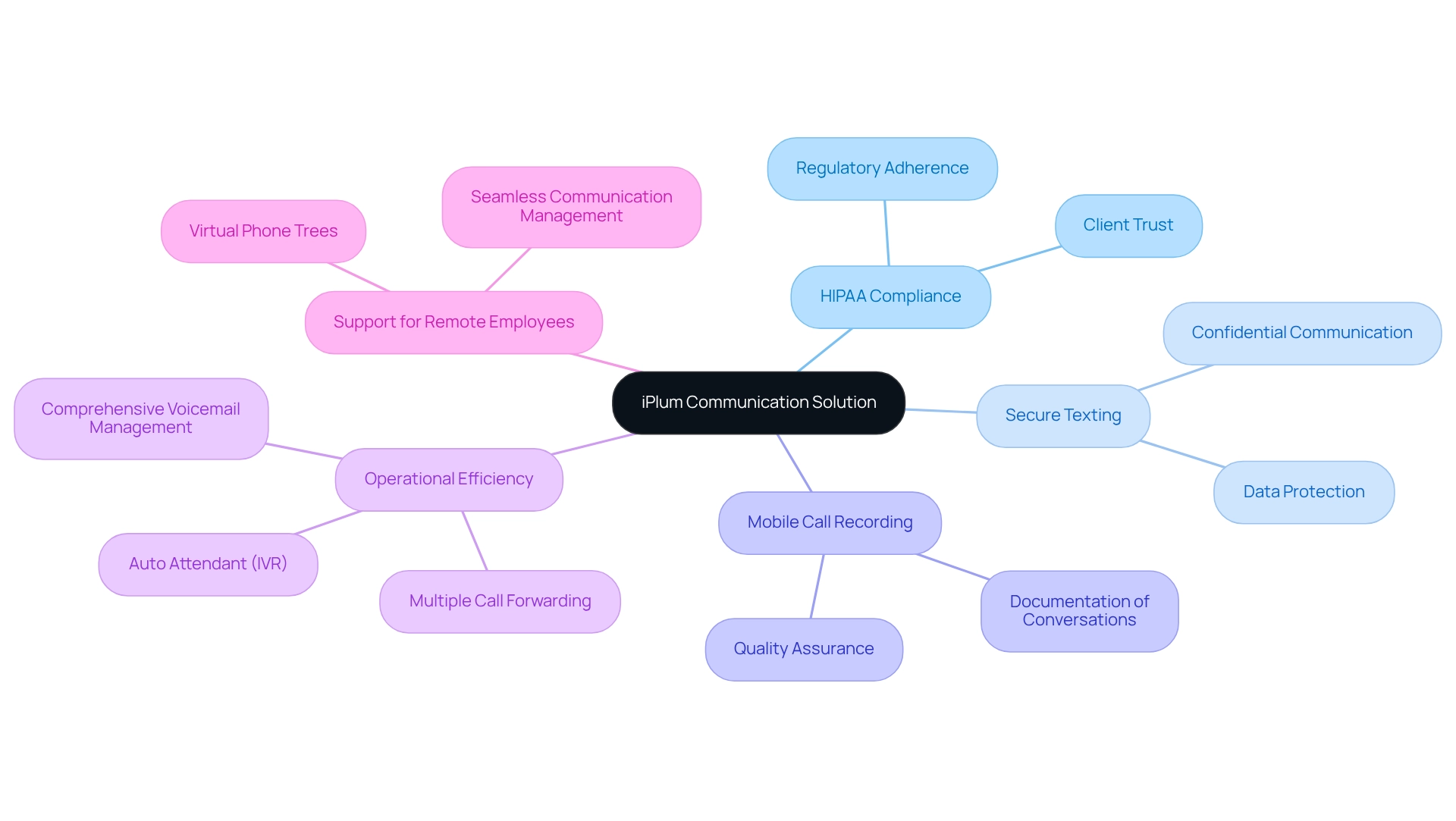
iPlum offers a robust communication platform that complies with HIPAA regulations, making it an ideal choice for those comparing founder vs co-founder roles in healthcare and other regulated sectors. In an era where data breaches are rampant, the implications of inadequate security can be dire. iPlum's features, including secure texting, mobile call recording, and encrypted channels, ensure that sensitive information remains confidential. This is crucial for maintaining trust with clients and stakeholders while navigating the complexities of compliance regulations.
Furthermore, iPlum provides a dedicated mobile line for business calls, allowing entrepreneurs to port their existing numbers and manage communications seamlessly. The platform enhances operational efficiency with features such as Auto Attendant (IVR) and multiple call forwarding. By leveraging iPlum, entrepreneurs can streamline their communication processes without sacrificing security, thereby strengthening their operational efficiency and client relationships, which is essential in the discussion of founder vs co-founder dynamics. In addition to these capabilities, iPlum supports remote employees and businesses through virtual phone trees and comprehensive voicemail management, ensuring that all communications are handled securely and efficiently. To fully capitalize on the advantages of iPlum, creators should explore its extensive range of features and consider how they can integrate them into their daily operations. Are you ready to elevate your communication strategy? Discover how iPlum can transform your business today.
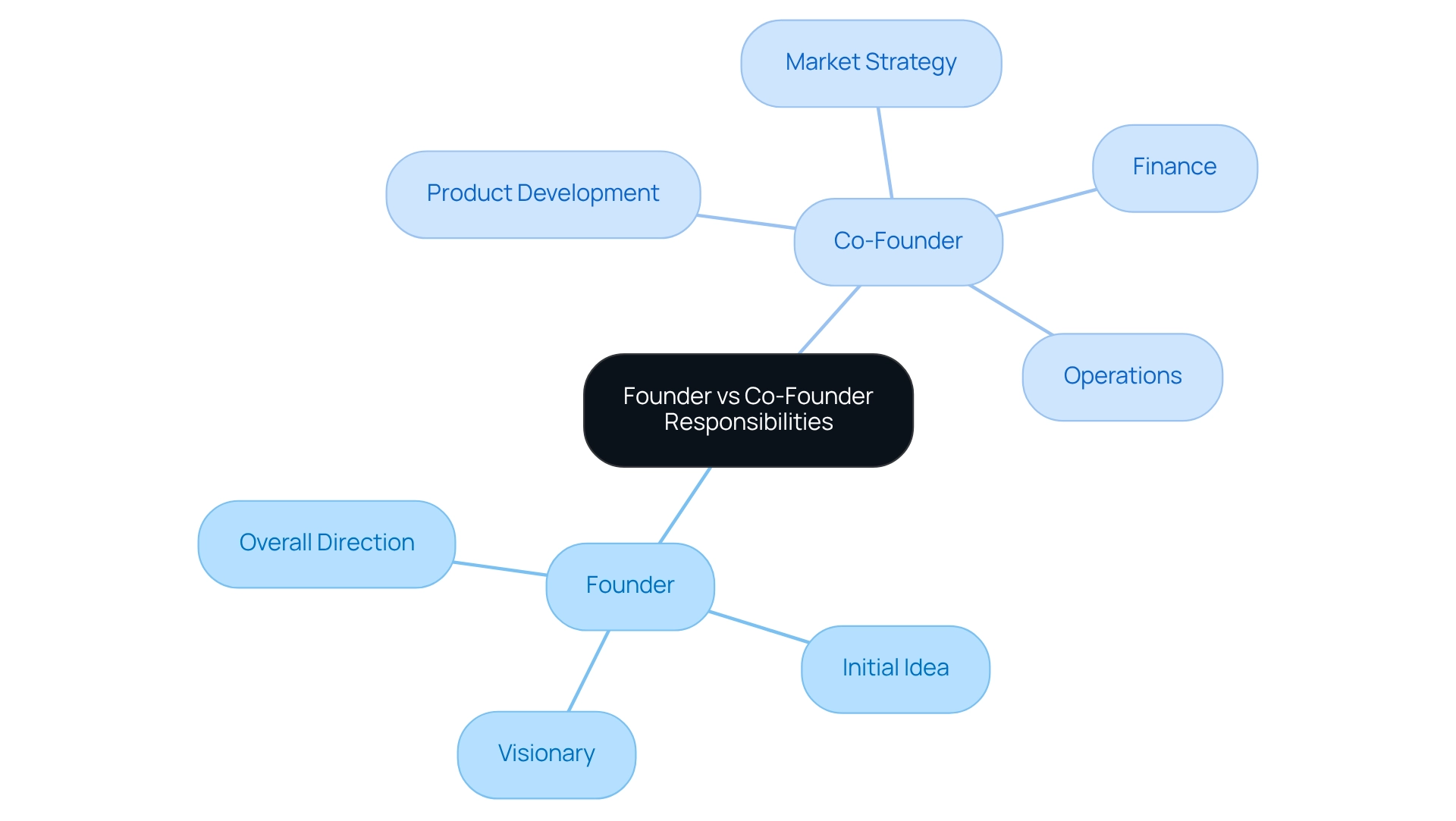
Role Definition: Understanding the Founder vs Co-Founder Responsibilities
The creator is typically the visionary behind the startup, responsible for the initial idea and overall direction. In contrast, the differences between founder vs co-founder enhance these visionary ideas by introducing additional skills and expertise. For instance, while an entrepreneur may focus on product development and market strategy, a co-entrepreneur might oversee operations or finance. Clearly defining the roles of founder vs co-founder from the outset prevents overlaps and conflicts, ensuring that each member contributes effectively to the organization's goals.
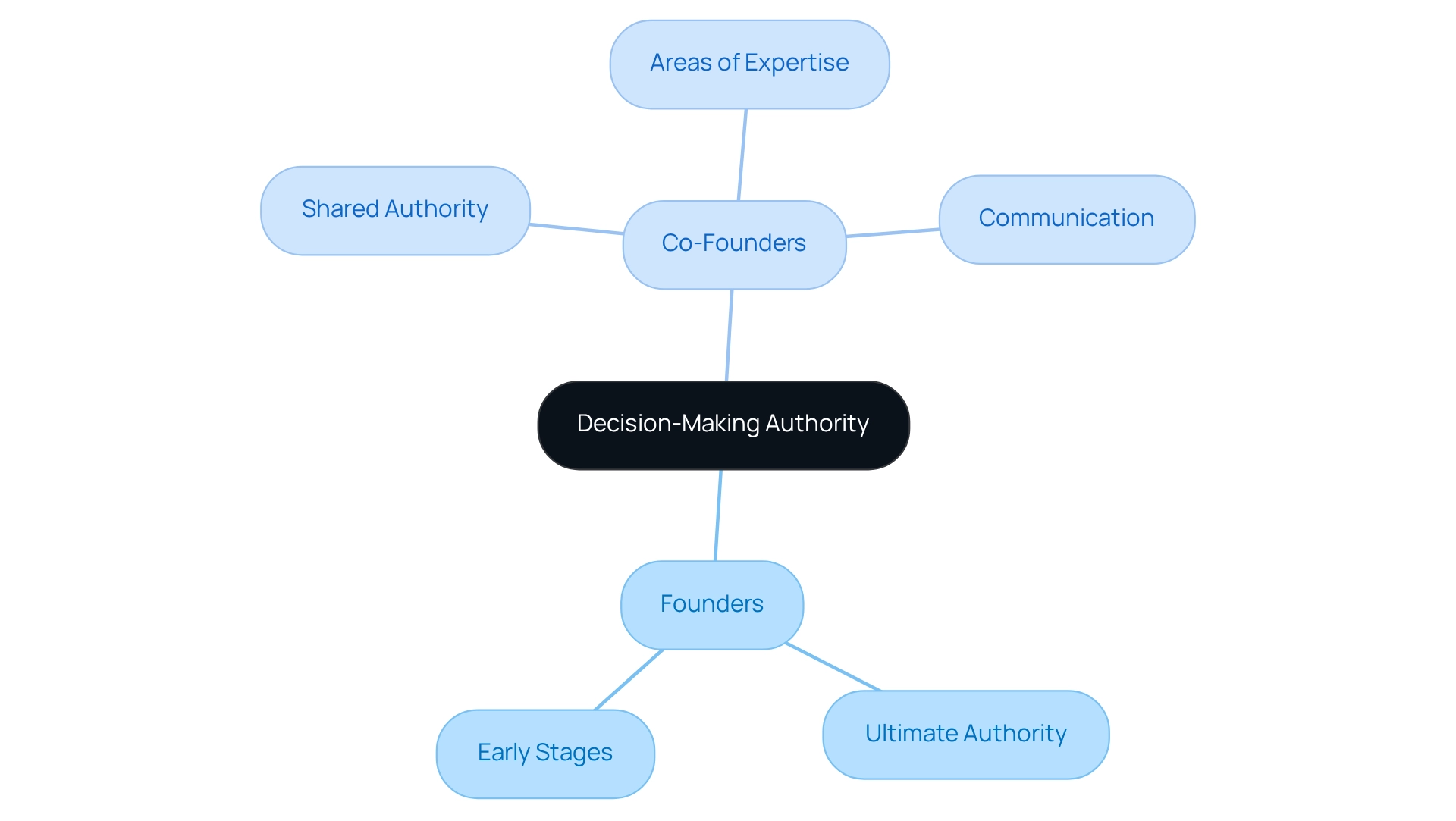
Decision-Making Authority: Founders vs Co-Founders
In numerous startups, the creator wields ultimate decision-making authority, especially during the early stages. However, as the company grows, initial partners often take on significant decision-making roles within their areas of expertise. This shared authority not only fosters more balanced and informed decisions but also necessitates clear communication and respect for one another's insights. Establishing a decision-making framework that delineates responsibilities can mitigate conflicts and streamline processes.
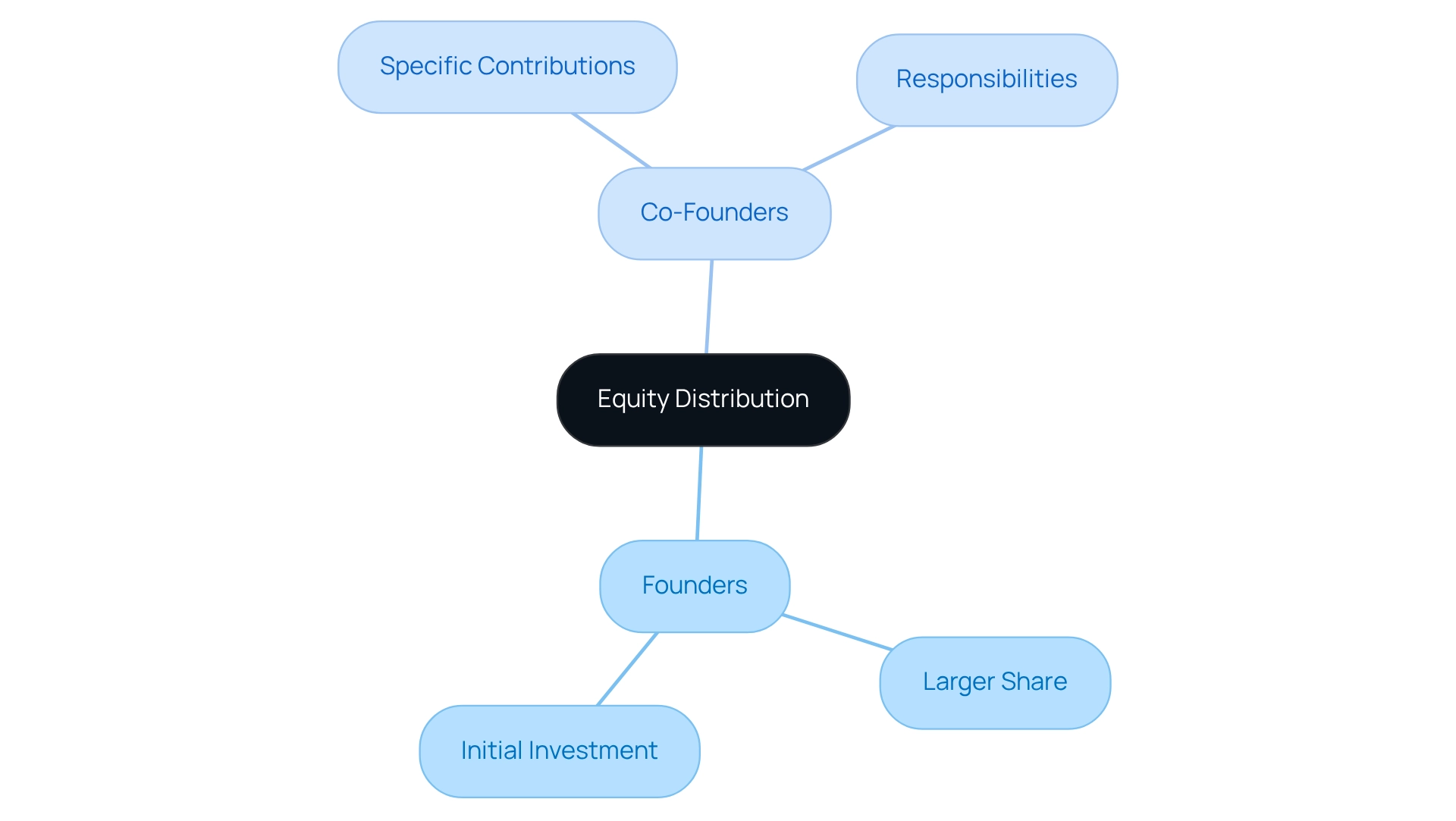
Equity Distribution: How Founders and Co-Founders Share Ownership
Equity allocation among creators and co-creators can vary significantly based on their contributions and roles. Entrepreneurs often retain a larger share of equity, which reflects their initial investment of time and resources. In the discussion of founder vs co-founder roles, co-founders are critical to the startup's success and typically receive equity that corresponds to their specific contributions and responsibilities.
It is essential to engage in open discussions about equity splits early on. This proactive approach helps prevent misunderstandings and ensures that all parties feel valued. When everyone is motivated to contribute to the company's success, the foundation for a thriving partnership is established.
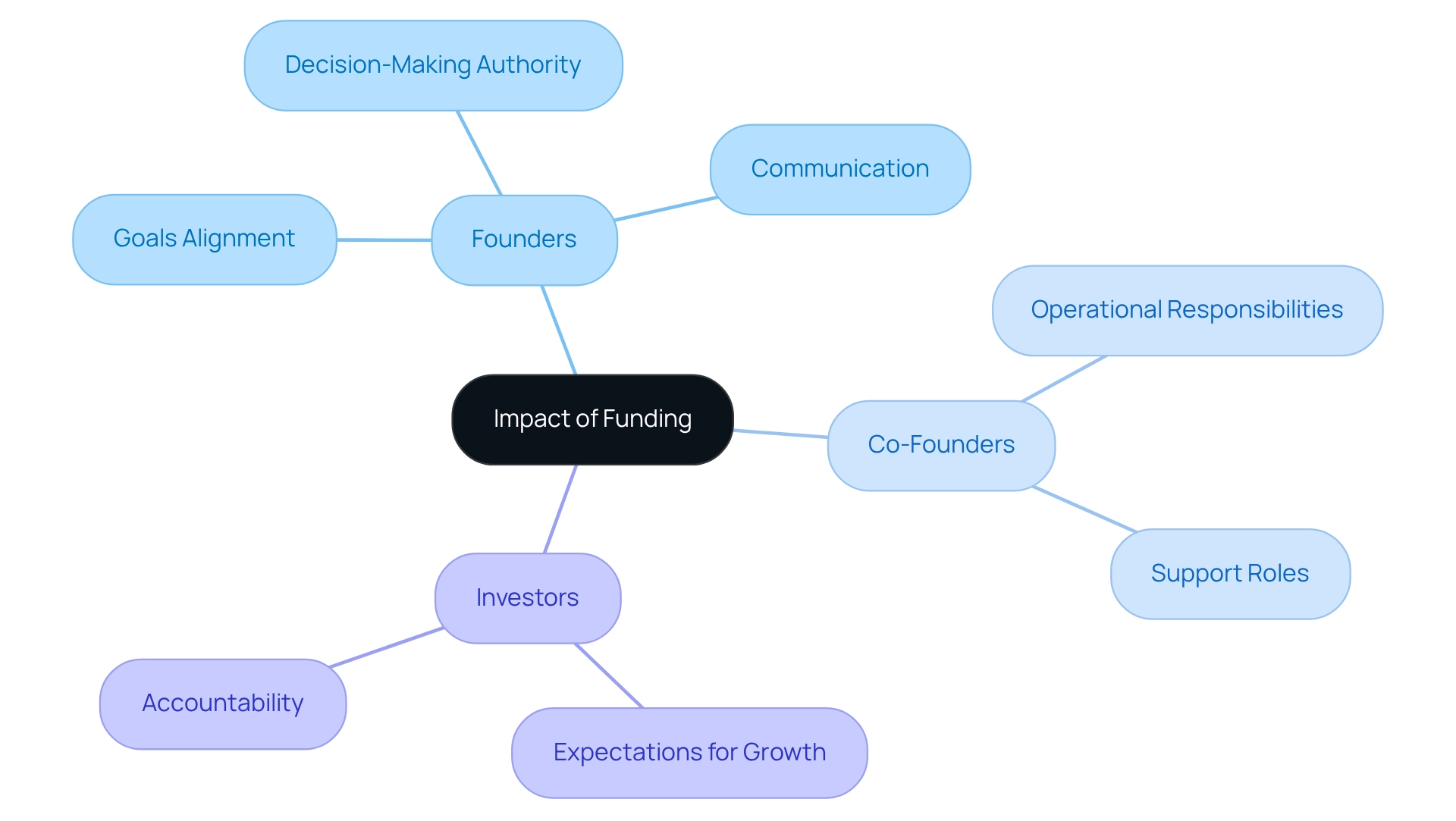
Impact of Funding: How External Investment Affects Founders and Co-Founders
External financing significantly impacts the dynamics between creators and partners. New investors bring with them expectations for growth and accountability, which can alter decision-making authority.
In discussions about startup dynamics, the distinction between founder vs co-founder is essential, as founders often find it necessary to align their goals with those of their investors. Partners may also need to take on more operational responsibilities to meet these expectations.
Therefore, it is crucial for creators to understand the dynamics of founder vs co-founder relationships and maintain open lines of communication with their backers and each other. This ensures that the company's objectives remain intact while adapting to emerging challenges.
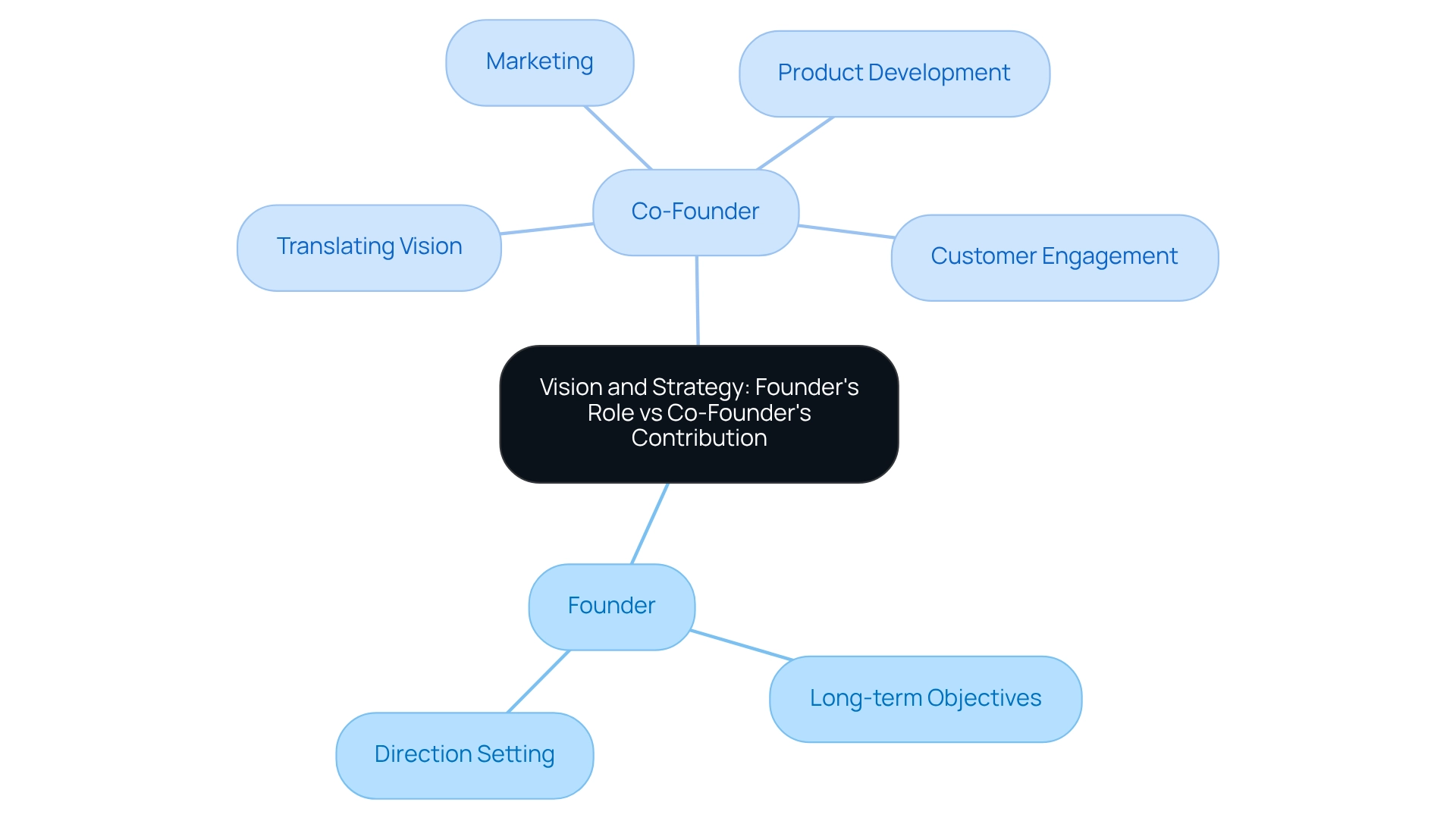
Vision and Strategy: The Founder's Role vs the Co-Founder's Contribution
The creator typically sets the overarching direction for the startup, articulating long-term objectives and ambitions. Conversely, the distinction between founder vs co founder is crucial in translating this vision into actionable strategies. They may focus on specific domains such as marketing, product development, or customer engagement, ensuring that the goals of the founder vs co founder are realized through practical steps. This collaborative approach not only enhances the venture's likelihood of success but also fosters a sense of shared ownership among the team.
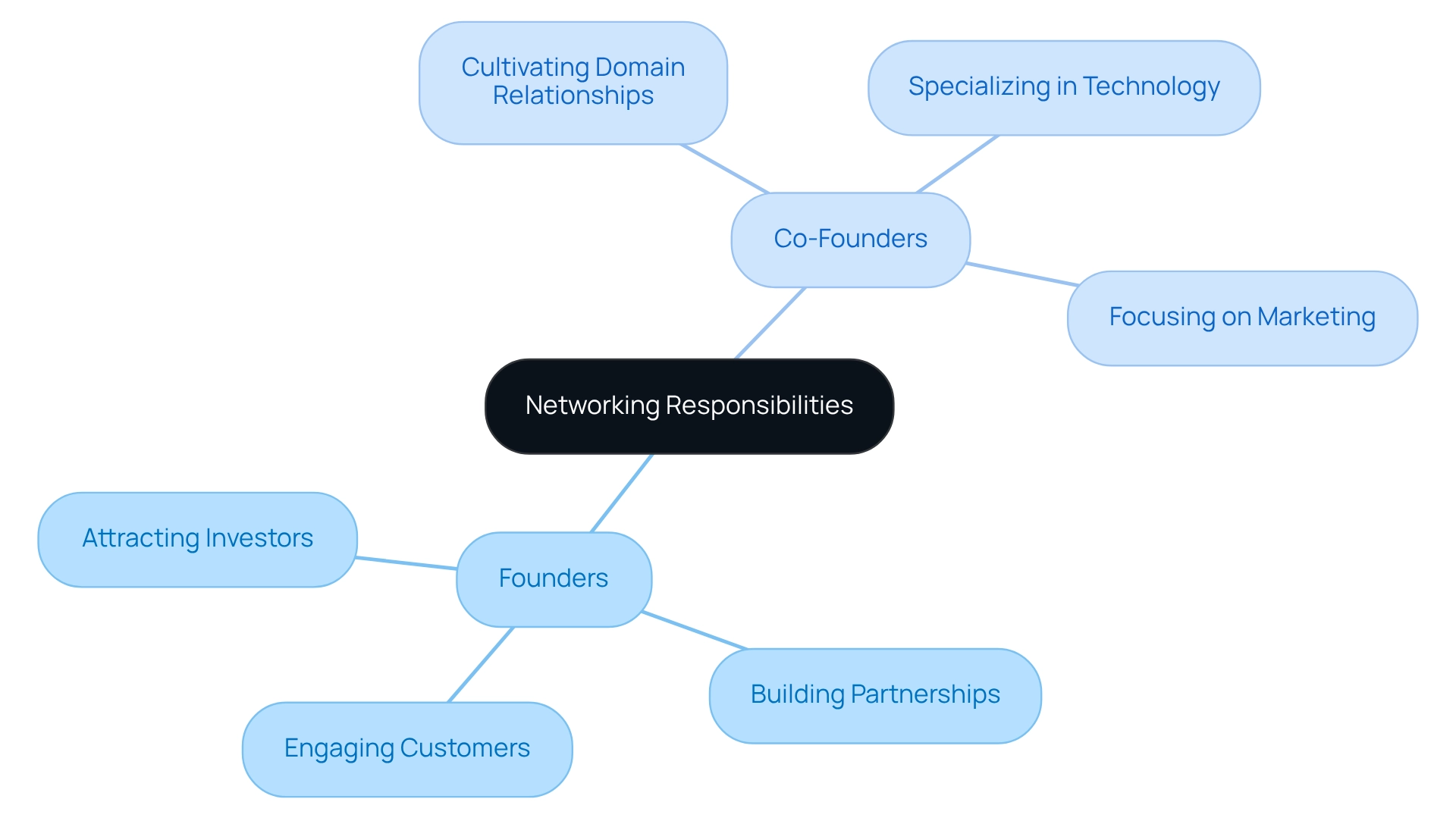
Networking Responsibilities: Founders vs Co-Founders in Building Connections
When discussing founder vs co-founder, it's clear that founders play a pivotal role in networking, utilizing their vision and passion to attract investors, partners, and customers. When discussing founder vs co-founder, it's important to note that co-founders, while equally engaged, often concentrate on cultivating relationships within their specific domains, such as technology or marketing. Together, they forge a robust network that propels the company's growth.
It is essential for both creators and partners to actively engage in networking opportunities. Such connections can lead to advantageous collaborations and valuable resources.
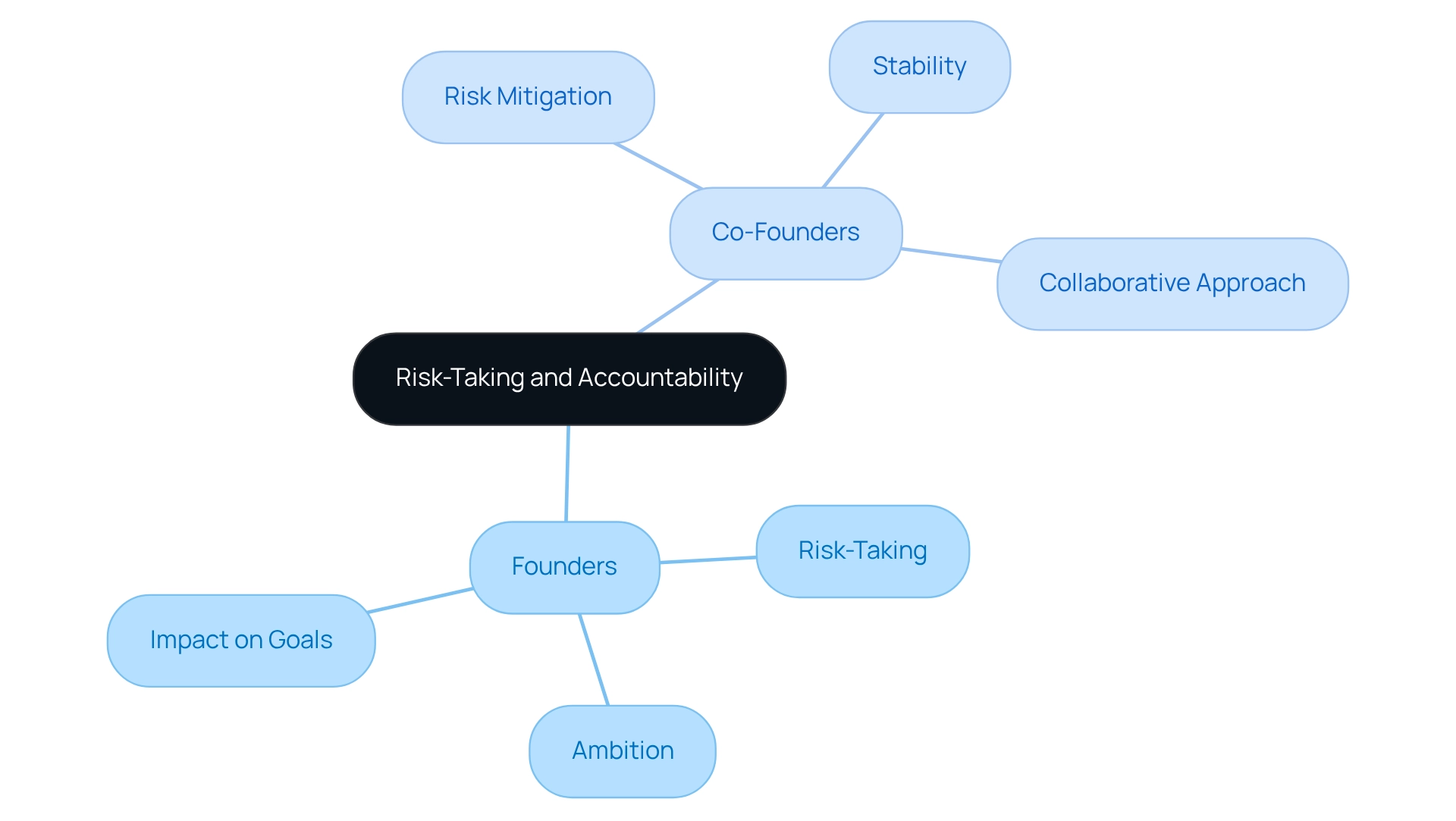
Risk-Taking and Accountability: Contrasting Founders and Co-Founders
In the context of founder vs co-founder, founders are often seen as the primary risk-takers, driven by their ambition and enthusiasm for new ventures. Their willingness to take bold steps can significantly impact the trajectory of their goals. Conversely, the approach of a founder vs co-founder may involve a more cautious stance, emphasizing risk mitigation and stability. This contrast fosters healthy discussions about risk management, enabling the team to harmonize ambition with practicality.
Creating a culture of accountability is essential. When both founders and partners feel a shared responsibility for outcomes, decision-making improves, and trust within the team flourishes. This collaborative approach not only enhances operational effectiveness but also solidifies the foundation for sustainable growth.
Mentorship Roles: How Founders and Co-Founders Guide Their Teams
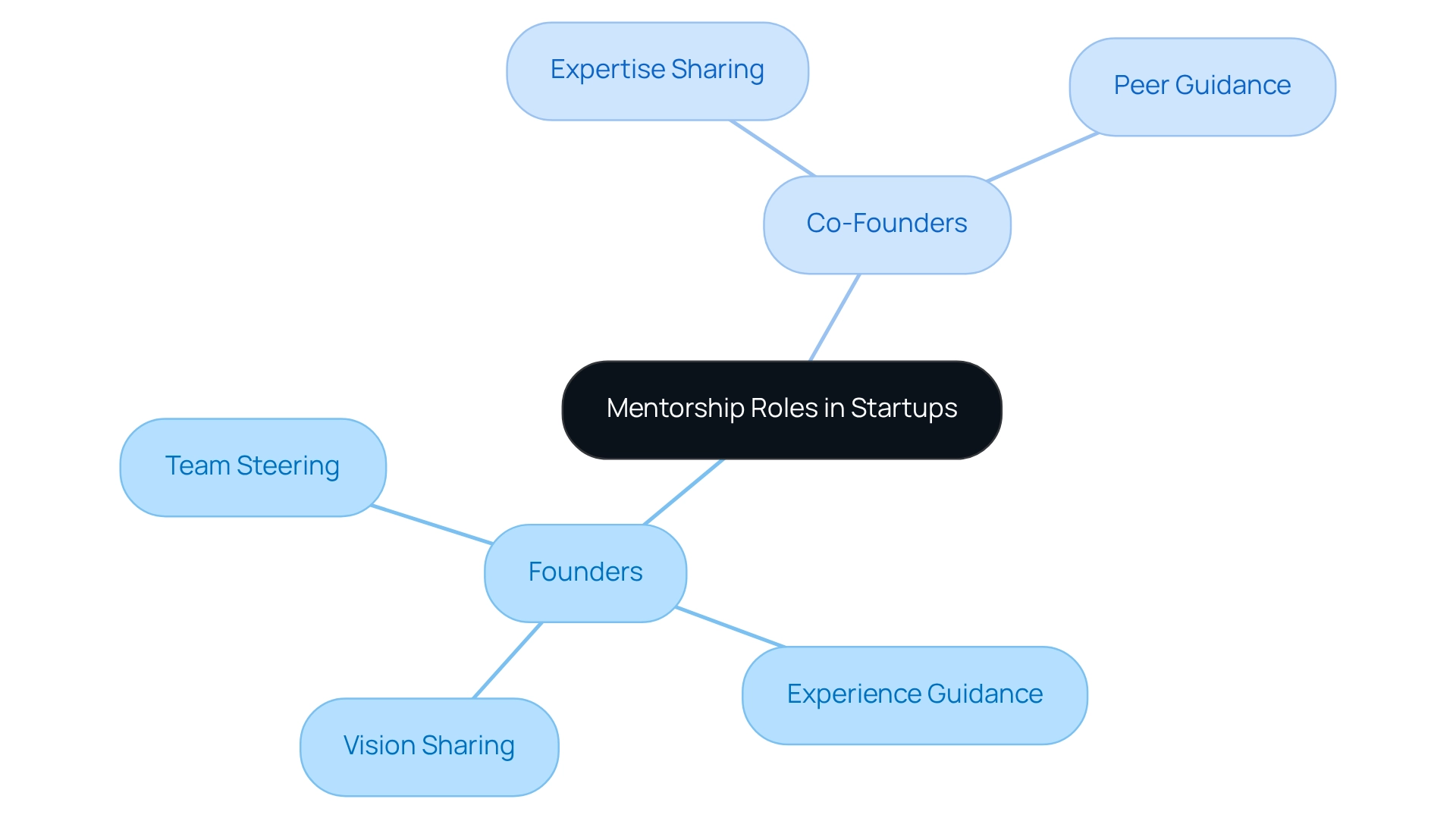
In the context of founder vs co-founder dynamics, founders frequently serve as mentors to their co-founders and team members, sharing their vision and experiences to steer the venture's direction. This mentorship is not one-sided; co-founders can also guide their peers in specific areas of expertise, such as technology or marketing. Such a dynamic fosters a culture of learning and growth within the new venture. Empowering team members in this way enhances their skills and ensures effective contributions.
Establishing regular mentorship sessions can significantly enhance collaboration. Furthermore, it ensures that everyone remains aligned with the startup's goals. By prioritizing mentorship, startups can create a robust foundation for success.
Conflict Resolution: Navigating Differences Between Founders and Co-Founders
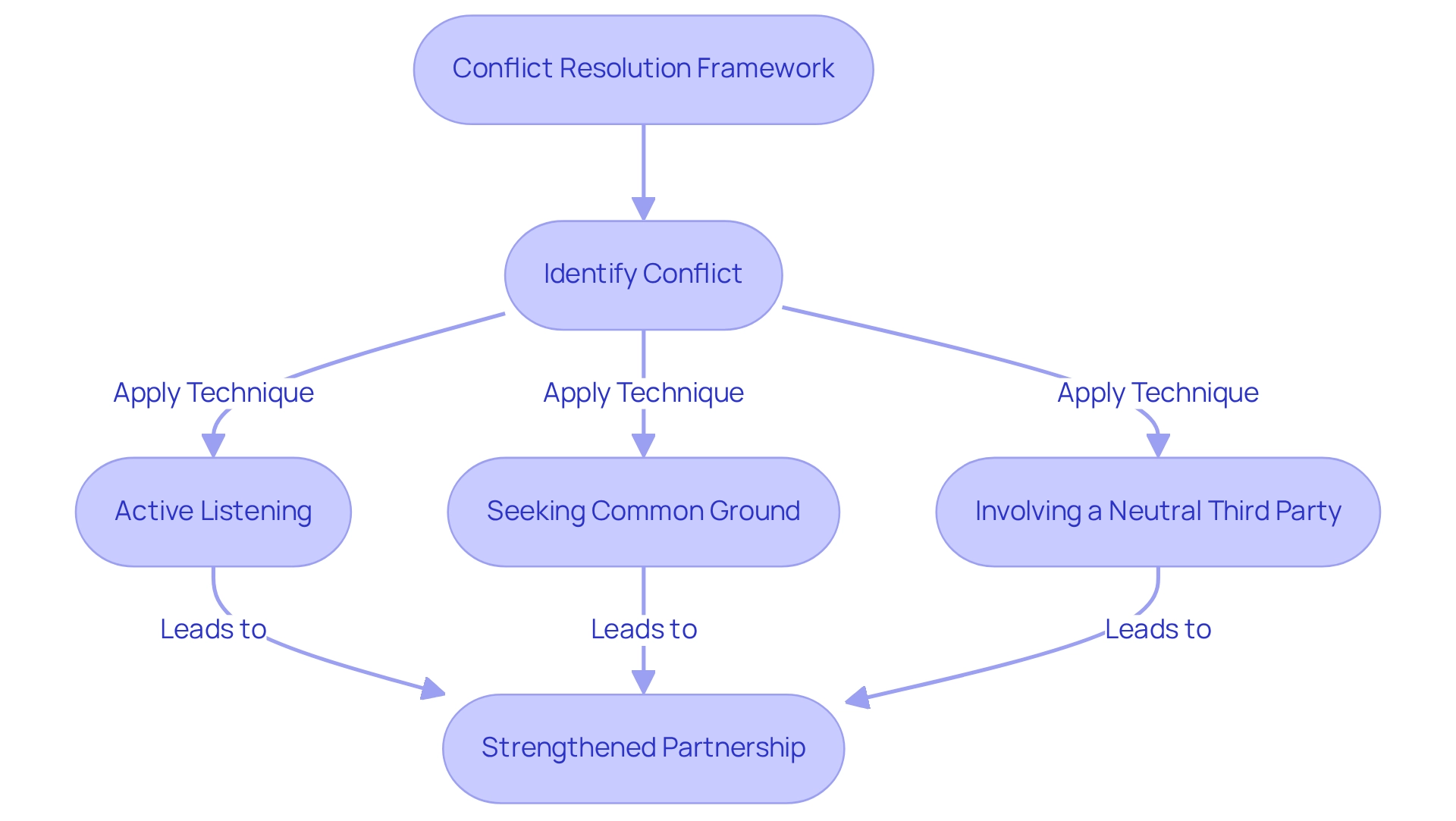
Conflicts between creators and partners often arise from differing visions, decision-making styles, or operational methods. Addressing these conflicts openly and constructively is essential. Establishing a conflict resolution framework that promotes honest communication and mutual respect not only helps navigate disagreements effectively but also strengthens the partnership. Techniques such as:
- Active listening
- Seeking common ground
- Involving a neutral third party when necessary
can facilitate resolution. Furthermore, fostering a culture of open dialogue allows for the transformation of conflicts into opportunities for growth among founders vs co-founders.
Conclusion
The relationship between founders and co-founders is paramount to the success of any startup. Understanding the distinct roles, responsibilities, and decision-making powers of each is essential for fostering effective collaboration. Clear communication and defined boundaries can prevent conflicts and enhance operational efficiency, allowing each member to focus on their strengths while working towards a shared vision.
Equity distribution and the impact of external funding significantly shape the dynamics between founders and co-founders. Open discussions about equity and aligning interests with investors ensure that all parties feel valued and motivated. Furthermore, the mentorship roles that founders and co-founders adopt can cultivate a culture of learning, empowering team members to enhance their contributions to the startup.
Navigating conflicts is another critical aspect of this partnership. By establishing a framework for conflict resolution and maintaining an environment of open dialogue, founders and co-founders can transform challenges into opportunities for growth. Ultimately, the synergy between founders and co-founders—grounded in mutual respect and collaboration—is vital for driving innovation and achieving long-term success in the startup landscape.
Frequently Asked Questions
What is iPlum and how does it support communication in regulated sectors?
iPlum is a communication platform that complies with HIPAA regulations, making it suitable for healthcare and other regulated sectors. It offers features like secure texting, mobile call recording, and encrypted channels to ensure the confidentiality of sensitive information.
Why is security important in communication for founders and co-founders?
Security is crucial in communication for founders and co-founders because inadequate security can lead to data breaches, which have serious implications. Maintaining confidentiality helps build trust with clients and stakeholders while navigating compliance regulations.
What features does iPlum provide to enhance operational efficiency?
iPlum enhances operational efficiency with features such as Auto Attendant (IVR), multiple call forwarding, and a dedicated mobile line for business calls. It also allows entrepreneurs to port existing numbers and manage communications seamlessly.
How does iPlum support remote employees and businesses?
iPlum supports remote employees and businesses through virtual phone trees and comprehensive voicemail management, ensuring that all communications are handled securely and efficiently.
What roles do founders and co-founders play in a startup?
The founder is typically the visionary behind the startup, responsible for the initial idea and overall direction. In contrast, co-founders enhance these ideas by bringing additional skills and expertise, such as overseeing operations or finance.
How can clearly defining founder and co-founder roles benefit a startup?
Clearly defining the roles of founder and co-founder from the outset helps prevent overlaps and conflicts, ensuring that each member contributes effectively to the organization’s goals.
What is the decision-making authority structure in startups?
Initially, the creator has ultimate decision-making authority, but as the company grows, partners often take on significant roles within their areas of expertise. Establishing a decision-making framework that delineates responsibilities can help mitigate conflicts and streamline processes.

